
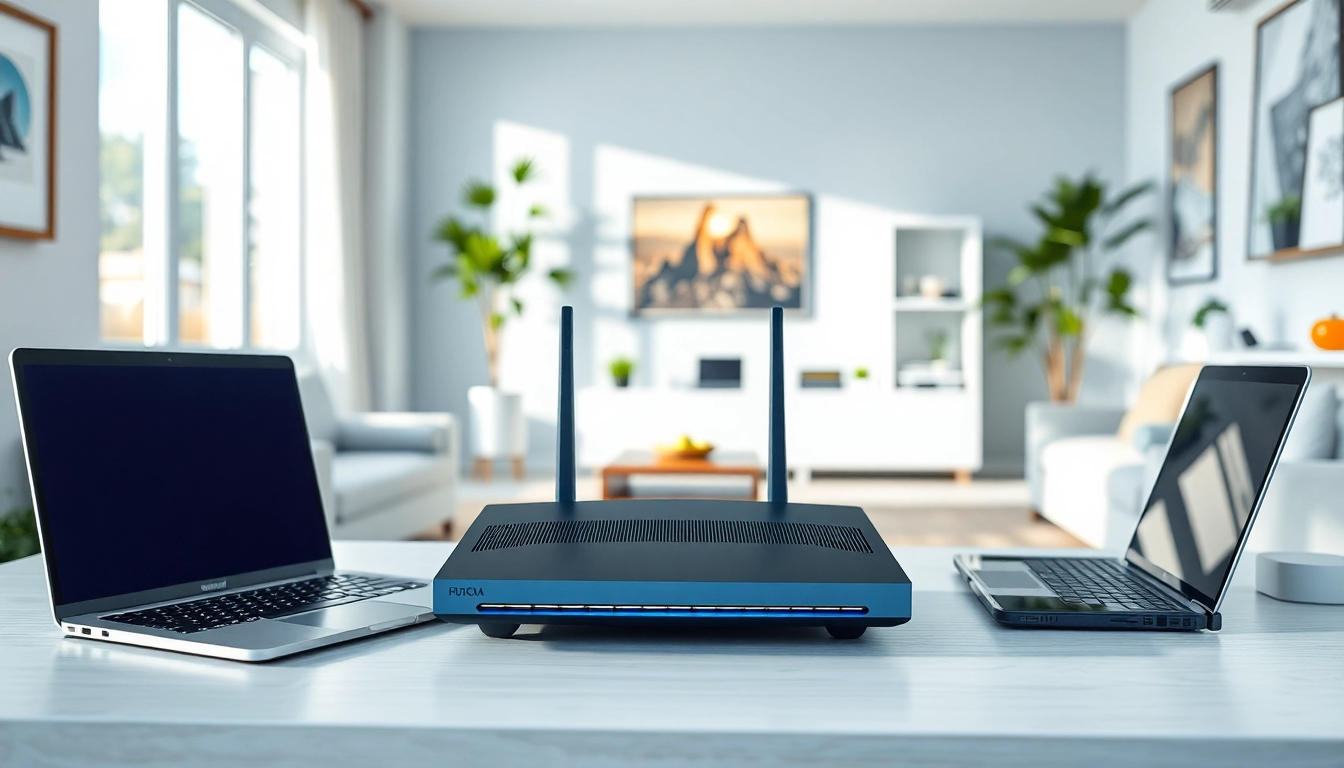
Introduction to vpn router for home
In today’s digital landscape, ensuring the security and privacy of our online activities has become a necessity. One of the most effective ways to achieve this is through the use of a vpn router for home. Unlike traditional VPN solutions that operate on individual devices, a VPN router secures the entire network, providing seamless protection for all connected devices, from smartphones to smart TVs. This article will delve into what a VPN router for home is, its benefits, the best practices for selecting and configuring one, common troubleshooting issues, and advanced features for long-term maintenance.
What is a vpn router for home?
A vpn router for home is a specialized device that routes internet traffic through a virtual private network, encrypting data and providing anonymity online. Unlike standard routers, which simply connect devices to the internet, VPN routers work in conjunction with VPN services to provide added security. This means that every device connected to the router, whether it’s a laptop, tablet, or gaming console, enjoys the protection of the VPN service without needing to install VPN software on each device separately.
Benefits of using a vpn router for home
The primary advantages of using a vpn router for home include:
- Comprehensive Protection: All devices on the network are secured, preventing data breaches and unauthorized access.
- Enhanced Privacy: A VPN masks your IP address, making your online activities harder to trace.
- Convenient Setup: Users can connect multiple devices without needing to configure each one individually.
- Unrestricted Access: VPN routers can bypass geographical restrictions, allowing access to content blocked in certain regions.
- Improved Bandwidth Management: Monitoring and managing data usage becomes easier across devices.
How vpn router for home enhances security
Security is a prominent concern for many internet users today. A vpn router for home enhances your network’s security in the following ways:
- Data Encryption: VPN routers encrypt internet traffic, protecting sensitive information from hackers and snoopers.
- Firewall Capabilities: Many VPN routers come with built-in firewalls that block malicious traffic.
- IP Address Masking: By hiding your IP address, a VPN router protects your identity online.
- Secure Remote Access: VPN routers allow secure remote access to your home network, ideal for telecommuting.
Choosing the Right vpn router for home
Key features to consider
When selecting a vpn router for home, certain features are essential to ensure you make a well-informed decision:
- VPN Compatibility: Ensure the router supports the VPN protocols offered by your VPN service provider.
- Speed Specifications: Look for routers with robust CPUs and adequate RAM to handle high-speed internet and multiple devices.
- Bandwidth Management: QoS (Quality of Service) features help prioritize bandwidth distribution among devices.
- Ease of Configuration: Evaluate the router’s interface and ease of setup for both VPN and regular use.
- Firmware Updates: Check for routers that regularly update their firmware for security and performance improvements.
Top specifications to look for
Beyond basic features, there are specific specifications that can significantly influence your experience:
- Dual-Band Support: A dual-band router supports both 2.4GHz and 5GHz frequencies, offering more flexibility and less interference.
- MU-MIMO Technology: This technology facilitates multiple devices communicating at the same time without lag.
- VPN Client Support: A capable router should function as a VPN client, allowing direct connection to VPN services.
- USB Ports: USB ports are useful for connecting external storage or printers, enhancing functionality.
Best practices for selection
To ensure optimal selection of a vpn router for home, consider the following best practices:
- Read User Reviews: Explore user feedback and expert reviews to get an unbiased view of performance.
- Compare Models: Compare various models based on features, price, and performance metrics.
- Assess Future Needs: Consider the future scalability of your networking needs when selecting a router.
- Check Technical Support: Ensure that the manufacturer provides reliable customer support.
Configuring Your vpn router for home
Step-by-step installation guide
Configuring your vpn router for home can seem daunting, but following this step-by-step guide can simplify the process:
- Connect your router to the modem: Use an Ethernet cable to connect the WAN port of the router to your modem.
- Access the router’s admin panel: Open a web browser and enter the router’s IP address, typically found in the manual.
- Log in: Input the default username and password, which can usually be found on the router.
- Configure Internet Settings: Input your ISP (Internet Service Provider) credentials if required.
- Set Up the VPN: Navigate to the VPN section in settings and input your VPN service credentials and configuration settings.
- Save and Restart: Save changes and restart the router to ensure proper configuration takes effect.
Common setup challenges and solutions
As with any technology, you may encounter challenges during setup. Here are common issues and their solutions:
- VPN Connection Failure: Ensure that your credentials are correct and that the VPN protocol is compatible with your router.
- Slow Internet Speed: Test different VPN servers and optimize your router’s placement to enhance signal strength.
- Device Compatibility Issues: Check if the router model supports all devices connected to it.
- Intermittent Connection: Restart both the router and modem, or try using a wired connection to test stability.
Optimal configuration for speed and security
Balancing speed and security is essential for a vpn router for home. Here are optimal configuration strategies:
- Use Wired Connections: Where possible, connect devices directly via Ethernet to reduce latency.
- Select High-Speed VPN Servers: Choose servers located closest to you to minimize distance and improve speeds.
- Optimize DNS Settings: Use reliable DNS servers to enhance browsing speed.
- Regular Firmware Updates: Keeping the router firmware up to date ensures you benefit from performance and security fixes.
Troubleshooting Your vpn router for home
Identifying common issues
When using a vpn router for home, various issues may arise. It’s crucial to identify these problems quickly:
- Connection Dropouts: This could be due to ISP throttling or server overload, requiring a change of VPN server.
- Inaccessible Websites: Check if the desired website is blocked and use different VPN servers to test.
- Slow Internet Speeds: This can result from an overwhelmed router or incorrect settings within the VPN.
- Device Compatibility Problems: Ensure your router firmware is up to date and that your devices are compatible.
Effective troubleshooting tips
When facing issues with your vpn router for home, use these troubleshooting tips:
- Restart Your Devices: Often, rebooting the router and connected devices resolves common issues.
- Check Network Cables: Ensure that all cables are securely connected and not damaged.
- Reset to Factory Settings: If problems persist, a factory reset can help start over and solve configuration errors.
- Consult Online Communities: Online forums can be a resourceful place for troubleshooting advice specific to your router model.
When to seek professional help
While many issues can be resolved independently, some circumstances necessitate professional assistance:
- Persistent Connectivity Issues: If a problem continues after all basic troubleshooting efforts, it may require expert intervention.
- Complex Setup Needs: Businesses or larger networks may need professional help to set up a robust system.
- Security Breaches: If you suspect a breach, it’s critical to consult cybersecurity experts.
Advanced Features and Maintenance
Leveraging advanced functionalities
For the tech-savvy user, leveraging advanced features can enhance the functionality of a vpn router for home:
- Guest Network Access: Create a separate network for guests, protecting your primary network from potential threats.
- Parental Controls: Utilize built-in parental controls to manage and restrict access for children.
- Traffic Monitoring: Monitor network usage to identify bandwidth hogs and optimize performance.
- Port Forwarding: Use port forwarding to enable direct access to specific applications or services remotely.
Regular maintenance tips for longevity
Regular maintenance can extend the life and efficiency of your vpn router for home:
- Clean Hardware: Dust and debris can affect performance; regularly clean routers and ports.
- Update Firmware: Stay informed about firmware updates to ensure security and performance enhancements.
- Review Configuration: Periodically review settings and reconfigure as needed to optimize performance.
- Backup Settings: Regularly back up your router settings to ease recovery after potential failures.
Enhancing performance over time
To continually enhance your vpn router’s performance:
- Upgrade Components as Needed: If your routine demands increase, consider upgrading your router to handle the load.
- Consider Quality Hardware: As technology evolves, investing in a high-quality router may yield significant performance benefits.
- Network Optimization Tools: Explore third-party tools that can help manage and optimize network performance efficiently.
- Regular Speed Tests: Use speed testing applications to monitor bandwidth and identify areas for improvement.
FAQs about vpn router for home
1. What does a vpn router do?
A vpn router secures all devices connected to the network by routing their internet traffic through a VPN, providing privacy and security.
2. Do I need a VPN subscription to use a vpn router?
Yes, a reliable VPN service subscription is necessary to configure and use a vpn router effectively.
3. Can I use a vpn router with smart devices?
Absolutely! A vpn router can provide security for all smart devices in your home, protecting their data.
4. Is installing a vpn router difficult?
No, while it requires some technical knowledge, most manufacturers provide guides to simplify the installation process.
5. How can I ensure my vpn router is secure?
Regularly update the firmware, use strong passwords, and limit router access to ensure your vpn router remains secure.