Understanding Flooring Options Near Me
Types of Flooring Available
When it comes to flooring, the options are diverse and cater to varying aesthetics, practical needs, and budgets. Homeowners today seek products that are both functional and stylish. Here are some of the most common types of flooring available in the market:
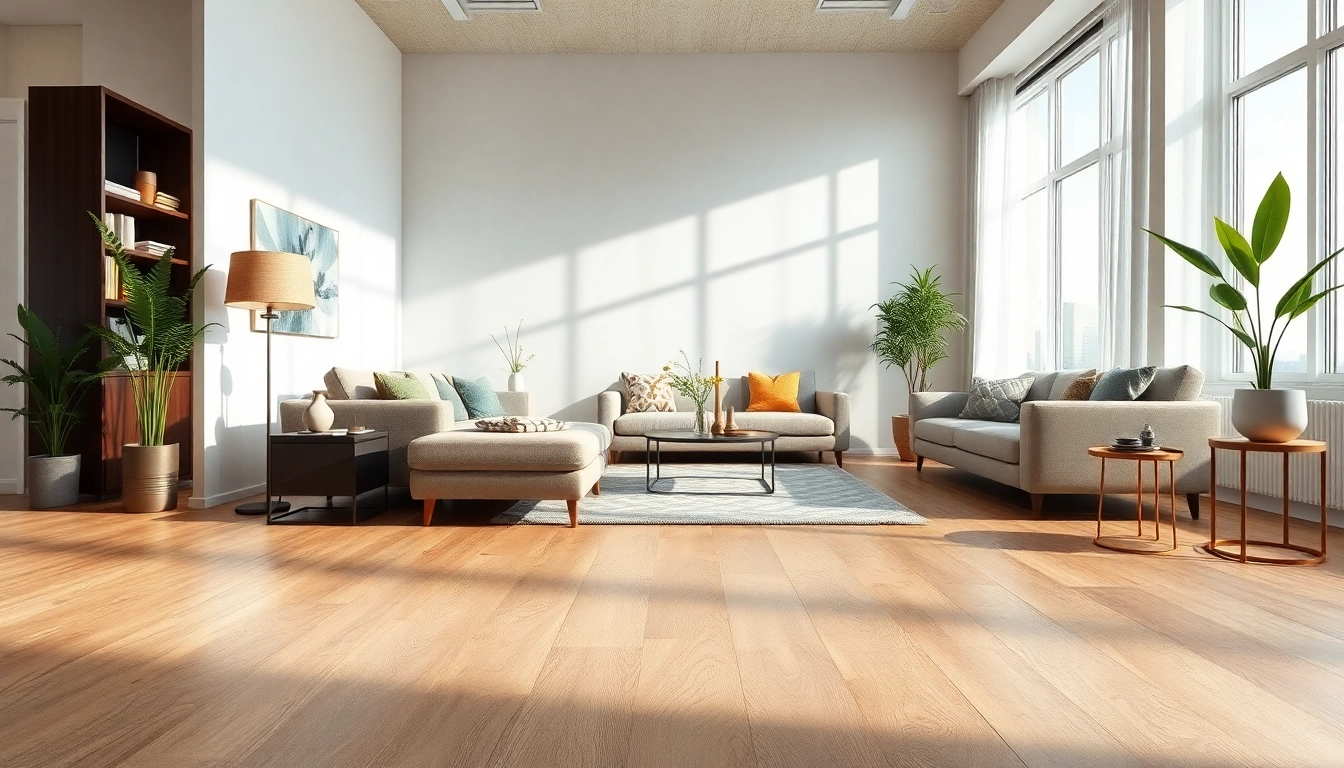
- Hardwood Flooring: Renowned for its timeless elegance and durability, hardwood flooring comes in a variety of species, grains, and finishes. It’s an excellent choice for those looking to add warmth and a classic feel to their spaces.
- Laminate Flooring: This cost-effective alternative mimics the look of hardwood but is more resilient to wear and tear. Laminate is ideal for high-traffic areas and is available in numerous designs and styles.
- Carpet: Offering softness and warmth, carpet is perfect for bedrooms and living areas. It comes in various materials, colors, and textures, allowing for customization based on personal preference and lifestyle.
- Tile Flooring: Durable and water-resistant, tile flooring is perfect for bathrooms, kitchens, and other moisture-prone areas. Available in ceramic, porcelain, and natural stone, tile offers versatile design options.
- Luxury Vinyl Flooring: A rapidly growing choice, luxury vinyl flooring combines aesthetics with functionality. It is known for its realistic wood and stone look, ease of maintenance, and comfort underfoot.
Benefits of Luxury Vinyl Flooring
Luxury vinyl flooring (LVF) has emerged as a popular choice among homeowners and designers alike. flooring near me often features LVF for a variety of compelling reasons:
- Waterproofing: Unlike traditional hardwood or laminate, LVF offers excellent resistance to water, making it suitable for bathrooms, kitchens, and basements.
- Comfort: LVF is softer underfoot than ceramic or stone, providing added comfort, especially in areas like kitchens where individuals frequently stand for prolonged periods.
- Easy Installation: Many LVF products come with adhesive backing or click-lock designs, allowing homeowners to complete installations quicker than traditional flooring options.
- Diverse Aesthetics: LVF is manufactured to replicate the look of natural materials beautifully, available in various designs, colors, and patterns.
- Low Maintenance: Cleaning LVF is simple; regular sweeping and occasional mopping are generally all that’s needed, making it ideal for busy households.
Choosing Floors Based on Your Lifestyle
Your flooring choice should reflect your lifestyle and the specific needs of your household. Consider the following factors:
- Family and Kids: If you have children, select flooring that withstands spills, stains, and heavy foot traffic. Luxury vinyl and laminate are excellent choices.
- Pets: For pet owners, look for flooring that resists scratches and is easy to clean. Tile and luxury vinyl are highly recommended for their durability.
- Allergies: Choose flooring that doesn’t trap dust, dander, or allergens. Hard surfaces like tile or luxury vinyl might be more suitable than carpets.
- Design Preference: Your aesthetic preference is vital. Whether you prefer rustic charm or modern minimalism, the right flooring can significantly impact the overall design of your space.
How to Select the Right Flooring Near Me
Key Considerations for Selection
Selecting flooring involves several critical considerations beyond mere aesthetics. Here are essential factors to keep in mind:
- Durability: Consider the wear and tear your floors will undergo. High-traffic areas may require more durable options, while quieter spaces can opt for softer materials.
- Moisture Levels: Assess the moisture levels in each room. Areas prone to spills or significant humidity benefit from moisture-resistant flooring options.
- Installation Type: Reflect on whether you want to undertake a DIY project or hire professionals for installation. Certain flooring types like luxury vinyl may offer easier DIY options.
- Return on Investment: Consider long-term value. Quality flooring enhances property value, so investing in durable materials can pay off in the long run.
Measuring Your Space
Accurate measurements are critical for any flooring project. Here’s how to ensure you get it right:
- Gather Tools: Use a measuring tape, pen, and paper to document your dimensions accurately.
- Measure Length and Width: Measure each room’s length and width in feet, including closets and hallways for an accurate total.
- Calculate Square Footage: Multiply the length by width for each room to find the square footage. For irregularly shaped areas, divide the space into rectangles and sum their totals.
- Add Extra for Waste: Always purchase 5-10% extra materials to account for cuts, mistakes, or future repairs.
Setting Your Budget
A well-defined budget is essential when selecting flooring. Consider both material costs and additional expenses to avoid overspending:
- Material Costs: Research the costs associated with different types of flooring based on style and quality.
- Additional Expenses: Factor in installation, underlayment, and transitional pieces that may arise during the project.
- Maintenance Costs: Consider the long-term maintenance expenses associated with your selected flooring type.
- Return on Investment: Think about how your flooring choice will impact property value and its lifespan to provide a more robust financial outlook.
Installation Process for Flooring Near Me
DIY vs. Professional Installation
Choosing between DIY installation and hiring professionals depends on multiple factors:
- Skill Level: If you have DIY experience, certain flooring options may be manageable. However, complex installations often require professional expertise.
- Time Considerations: Installation can be time-consuming; professionals can often complete it more quickly than a DIY effort.
- Tools Required: Ensure you have necessary tools. Professionals come equipped with everything needed for the job.
- Warranty Issues: Some manufacturers require professional installation to honor warranties. Always check before proceeding.
Preparing Your Space for Installation
Preparation is key to a successful flooring installation. Follow these steps:
- Clear the Area: Remove furniture, rugs, and any existing flooring, if applicable.
- Check Subfloor Condition: Ensure the subfloor is level, clean, and dry. Address any issues before proceeding.
- Acclimate Your Materials: Allow new materials to adjust to the environment’s temperature and humidity before installation for the best results.
Post-Installation Care and Maintenance
Taking care of your newly installed flooring is essential to its longevity:
- Regular Cleaning: Sweep or vacuum daily to prevent dirt and debris build-up.
- Use Proper Cleaners: Avoid harsh chemicals that can damage your flooring. Opt for cleaners recommended by manufacturers.
- Protective Measures: Use mats and pads to prevent scratches and wear, particularly in high-traffic areas.
- Periodic Inspections: Regularly check for signs of wear or damage and address them promptly.
Trends in Flooring Near Me
Popular Styles and Designs
Current trends emphasize blending aesthetics with functionality. Some popular styles include:
- Natural and Organic Looks: Many homeowners are gravitating towards natural materials and hues that mimic wood or stone.
- Modern Geometric Patterns: Bold patterns and colors are making a statement in contemporary design, especially in commercial spaces.
- Minimalism: A minimalist approach with neutral colors and clean lines caters to those seeking a serene aesthetic.
Sustainable Flooring Choices
Sustainability in flooring is gaining momentum. Here are some sustainable options:
- Bamboo Flooring: A rapidly renewable resource, bamboo provides a hard surface while being environmentally friendly.
- Cork Flooring: Sourced from the bark of cork oak trees, cork is sustainable and offers excellent insulation properties.
- Reclaimed Wood: Utilizing repurposed materials not only preserves natural resources but also adds unique character to spaces.
Integrating Technology into Flooring Options
Technological advancements are shaping the future of flooring. Consider these innovative applications:
- Smart Flooring: Some flooring products now incorporate sensors to monitor foot traffic and detect wear patterns, enabling proactive maintenance.
- Installation Technology: Advanced flooring installation systems reduce labor and time while ensuring precision.
- Maintenance Tech: New cleaning technologies ensure floors remain in top condition with minimal effort, leading to enhanced longevity.
FAQs about Flooring Near Me
What is the average cost of flooring?
The average cost of flooring varies widely based on material choice. On average, homeowners can expect to pay between $2 and $12 per square foot for various flooring types.
How do I choose the best flooring for pets?
For pets, choose durable and scratch-resistant flooring. Luxury vinyl and tile are excellent options that are also easy to clean.
Can I install flooring over existing floors?
Yes, many flooring types allow for installation over existing floors, provided the surface is level and in good condition. Always consult with specific product guidelines.
What maintenance is required for vinyl flooring?
Vinyl flooring requires minimal maintenance—regular sweeping, vacuuming, and damp mopping with mild cleaners will keep it looking new.
How do I find flooring near me?
Search online using local directories or search engines with terms like “flooring near me” to find retailers, showrooms, or contractors in your area.