When it comes to bathroom renovations, the shower is often considered a focal point. Among the many options available, the shower screen sliding door stands out for its sophistication and practicality. This article explores the numerous advantages of installing a sliding door in your shower, offering guidance on selection, installation, maintenance, and addressing common queries surrounding this feature.
The Advantages of Shower Screen Sliding Door
Enhanced Space Efficiency
One significant advantage of shower screen sliding doors is their space-efficient design. Unlike traditional hinged doors that swing open, potentially obstructing space, sliding doors glide effortlessly along a track. This is especially beneficial in smaller bathrooms where every inch counts. The unobtrusive nature of sliding doors not only maximizes usable square footage but also creates an illusion of more room, making the bathroom feel spacious and airy.
Easy Maintenance and Cleaning
Maintaining a shower screen sliding door can be noticeably more straightforward compared to other types of shower enclosures. The lack of hinges and frames means fewer places for grime and mold to accumulate. Regular cleaning involves wiping down the glass and track with non-abrasive solutions, ensuring that the door glides smoothly without obstruction. The materials used are typically water-resistant, helping to prevent potential damage from ongoing exposure to moisture, which translates to a longer lifespan for your investment.
Modern Aesthetics
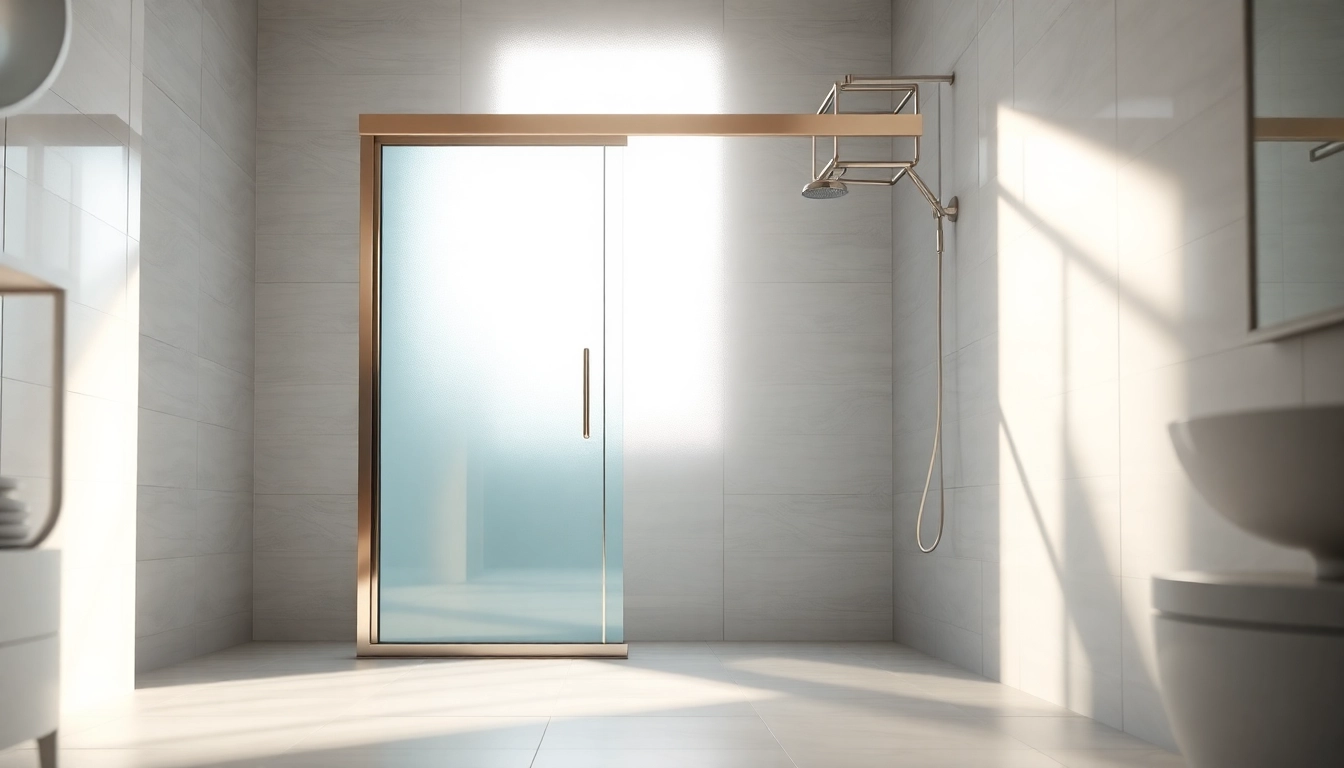
Aesthetic appeal is paramount in bathroom design, and shower screen sliding doors cater to contemporary tastes with their sleek lines and modern finishes. Available in various styles, including frameless designs, these doors offer a sophisticated look that enhances your overall bathroom decor. Whether you prefer a minimalist approach or a more embellished style, a sliding door can integrate flawlessly with your design vision, serving as a striking visual element in your bathing space.
Choosing the Right Shower Screen Sliding Door
Material Options
Choosing the right material can significantly impact the functionality and appearance of your shower screen sliding door. Common materials include tempered glass, which is renowned for its strength and safety. Additionally, acrylic and PVC panels are often chosen for their lightweight and cost-effective qualities. While glass provides a premium look, consider factors like transparency, light transmission, and durability when selecting the right material for your shower enclosure.
Size and Fit Considerations
Accurate measurements are crucial for ensuring that your shower screen sliding door fits perfectly within your bathroom layout. Measure the width and height of your shower opening, accounting for any obstacles like plumbing fixtures or shelving. It’s also important to consider the door’s opening mechanism; ensure that there is enough clearance for smooth functionality. Many manufacturers offer customizable sizes, enabling you to find the ideal fit for your space.
Design Variations
Shower screen sliding doors come in a myriad of designs that cater to various aesthetic preferences. From minimalist styles with a frameless design to more traditional styles with aluminum framing, you have a wealth of options. Some sliding doors can even incorporate patterned or tinted glass, offering additional privacy while maintaining an elegant appearance. Consider your overall bathroom theme and select a sliding door design that complements your tone, whether it’s contemporary, rustic, or classic.
Installation Process for Shower Screen Sliding Door
Preparing Your Bathroom
Before installation, taking the time to prepare your bathroom is essential for a successful outcome. Ensure that the area is clean, with enough space to maneuver tools and materials. Remove any existing shower doors or curtains and inspect the wall and floor tiles for any necessary repairs. Having a clear plan, including the tools you will need, sets the stage for smooth installation.
Step-by-Step Installation Instructions
Installing a shower screen sliding door typically follows these steps:
- Measure and Mark: Start by measuring the space where the door will be installed and mark where the tracks will go.
- Install the Track: Using a level, install the top track to ensure the door will slide correctly. Secure it with screws according to the manufacturer’s instructions.
- Attach the Bottom Track: Align and secure the bottom track in the same manner as the top.
- Hang the Doors: Insert the shower doors into the top track, carefully lowering them into the bottom track.
- Check Alignment: Ensure the doors are aligned correctly and make any necessary adjustments.
- Install Accessories: If your sliding door comes with handles or a locking mechanism, install them according to the manufacturer’s guidelines.
Always refer to the specific instructions provided by the manufacturer, as designs and mechanisms can vary.
Common Installation Challenges
While installing a shower screen sliding door is a manageable DIY project for many homeowners, challenges can arise. Some common issues include:
- Imperfect Measurements: Double-check all measurements to avoid fitting issues.
- Track Alignment: Ensure tracks are level; a misaligned track can lead to operational difficulties.
- Door Weight: Larger doors can be heavy; having an extra pair of hands can be beneficial during installation.
If you encounter significant difficulty, don’t hesitate to consult with a professional to ensure that the installation is performed correctly.
Maintaining Your Shower Screen Sliding Door
Regular Cleaning Tips
Routine maintenance is essential for preserving the appearance and longevity of your shower screen sliding door. Use a non-abrasive cleaner or a mixture of vinegar and water to wipe down the glass and frame. Pay special attention to the tracks; keeping them free of debris will allow the doors to slide smoothly. A monthly deep clean will also help prevent buildup and maintain the door’s clarity.
Addressing Wear and Tear
Over time, wear and tear can occur due to the constant opening and closing of the door. Common issues may include rusting hardware or misaligned tracks. Regularly inspect all moving parts for signs of damage, and lubricate the tracks to ensure smooth operation. If components appear worn, consider replacing them proactively to avoid larger repair needs in the future.
When to Call a Professional
While many maintenance tasks can be handled by homeowners, some situations warrant professional help. If you notice that your door is not sliding smoothly despite cleaning and lubrication, or if there are major structural issues, consulting with a professional can be beneficial. A trained technician can diagnose and fix complex problems that might be beyond the average DIY enthusiast’s skills.
Frequently Asked Questions About Shower Screen Sliding Door
What is the best material for a shower screen sliding door?
Tempered glass is highly recommended for its strength and safety, providing a sleek appearance.
How do I measure for a shower screen sliding door?
Measure the width and height of the shower opening to ensure a perfect fit for your sliding door.
Can I install a shower screen sliding door myself?
Yes, with the right tools and instructions, DIY installation is achievable for many homeowners.
What maintenance does a shower screen sliding door require?
Regular cleaning with non-abrasive solutions and checking for hardware tightness will keep it functional.
Are shower screen sliding doors suitable for small bathrooms?
Absolutely! Their sliding design minimizes space requirements while maximizing accessibility.